
Commercial Development Has Entered the Data-Driven Due Diligence Era
April 6, 2026
The commercial real estate development industry’s traditional due diligence focuses on a few standard factors that require teams to look at parcel zoning, lot size, and current land use to determine a project’s viability. If the numbers made sense and the zoning matched, the project usually moved forward.
Now, municipal planners are shifting their focus toward integrated, district-level planning that prioritizes infrastructure capacity, walkability, and economic resilience. Instead of evaluating developments parcel by parcel, municipalities prefer to examine growth at the district or corridor level to see how transportation networks, mixed-use density, and economic activity interact across a more expansive area.
The new approach requires developers to look beyond their specific property lines and evaluate how a site fits within the broader, interconnected ecosystem of a community. To ensure they keep pace with changing expectations, developers need to elevate due diligence from a static checklist of basic requirements to a comprehensive, data-driven spatial strategy.
Look Beyond Boundaries to Align with New Site Selection Standards
Traditional site feasibility’s reliance on zoning compatibility generally allowed development to proceed if a parcel could be rezoned or entitled for the intended use. Current municipal planning strategies take a much wider view and are intended to create cohesive development ecosystems instead of isolated, standalone projects.
Understanding this broader planning context is essential to identifying successful development opportunities. Cities are changing their approach to growth by:
- Prioritizing mixed-use districts, transit-oriented development, and walkable commercial corridors is intended to support long-term economic growth
- Operating at a district level with strategies that require developers to consider how a proposed project interacts with surrounding infrastructure, nearby development patterns, and municipal economic priorities.
- Adopting planning initiatives that can limit sites that appear viable on zoning alone — particularly when nearby land uses or capacity constraints don’t align with proposed development.
Developers who understand municipal goals can design their projects to align with a city’s vision, strengthening approval processes and long-term property values.
Lower Risks with Due Diligence that puts Insight Ahead of Investment
Highly integrated development planning significantly expands the scope of due diligence. Developers need to evaluate multiple planning and infrastructure datasets to get a clear picture of the surrounding environment before committing capital to a site. Confident investment decisions depend on assessing future land-use maps, infrastructure-improvement plans, transportation investment corridors, environmental protection zones, workforce accessibility patterns, and redevelopment initiatives.
Together, these insights can more accurately determine a project’s true alignment with municipal priorities and reveal whether the surrounding infrastructure can support future growth. Gathering this information, however, is notoriously difficult.
The necessary data is often fragmented across multiple jurisdictions, outdated municipal websites, and difficult-to-read static maps. This fragmentation makes it incredibly tough to evaluate sites efficiently using traditional research methods and can cost development teams days or weeks as they hunt down information.
Commercial Development Driven by Location Intelligence Unlocks the Power of Place
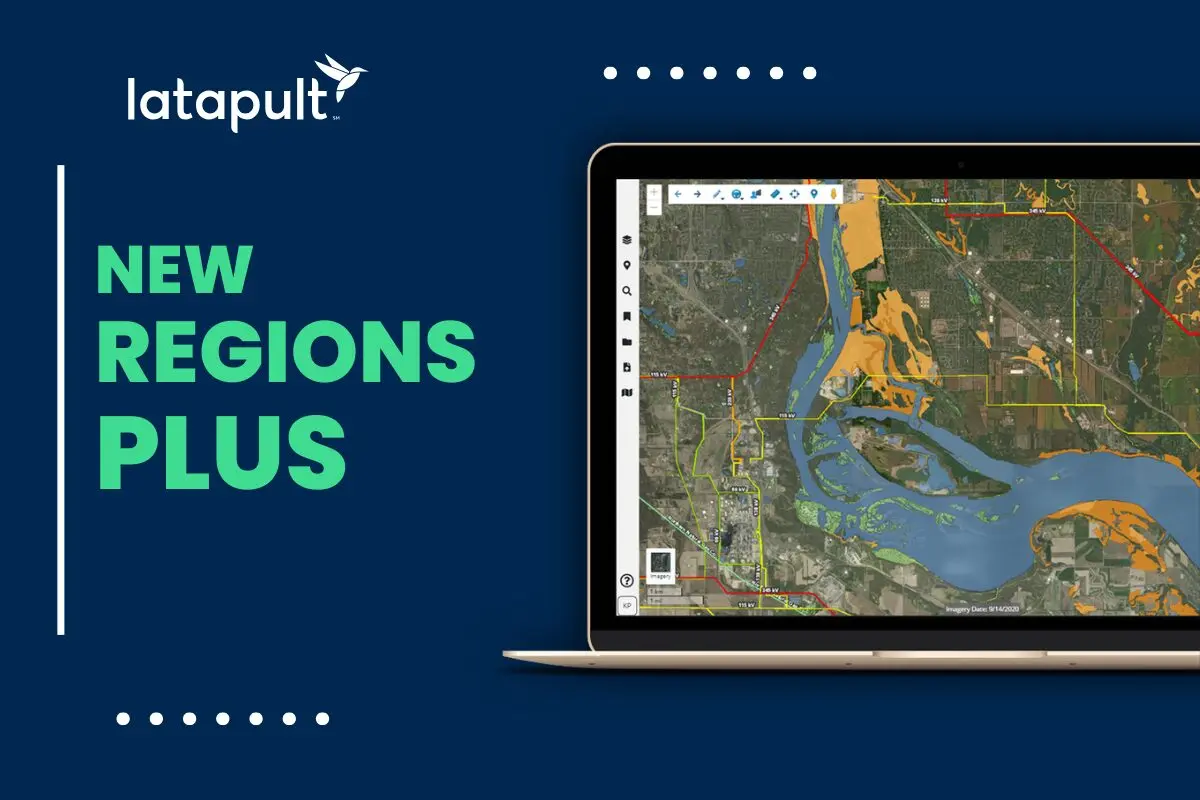
As planning data grows more complex, GIS and location intelligence tools are becoming critical for evolving development workflows. Platforms like Latapults allow developers to integrate multiple complex datasets into a single, easy-to-read dashboard. Here, spatial relationships can be visualized clearly and quickly.
Teams can layer information on infrastructure systems, environmental constraints, and development initiatives on one map. This capability allows you to assess a site’s true potential at the absolute front end of the decision-making process. You gain immediate clarity on complex land data.
This spatial approach helps development teams anticipate constraints well before money is spent. It helps align proposals with municipal priorities and reveals hidden opportunities that might otherwise remain unseen. Instead of relying on fragmented data sources and guesswork, developers can analyze the entire planning landscape in a unified, highly accurate view.
Smarter Data Makes Smarter Development Possible
In commercial development’s new phase, data and planning context carry as much weight as zoning itself. Municipalities’ increasingly comprehensive development strategies mandate the expansion of developers’ due diligence processes. You must gauge a project’s fit with the broader planning environment to ensure long-term viability.
Incorporating location intelligence into early-stage feasibility analysis helps teams drastically reduce risk. It enables you to identify emerging opportunities faster and align projects with long-term regional growth strategies. In a progressively competitive development landscape, data-driven due diligence forms the new foundation of smarter site selection.
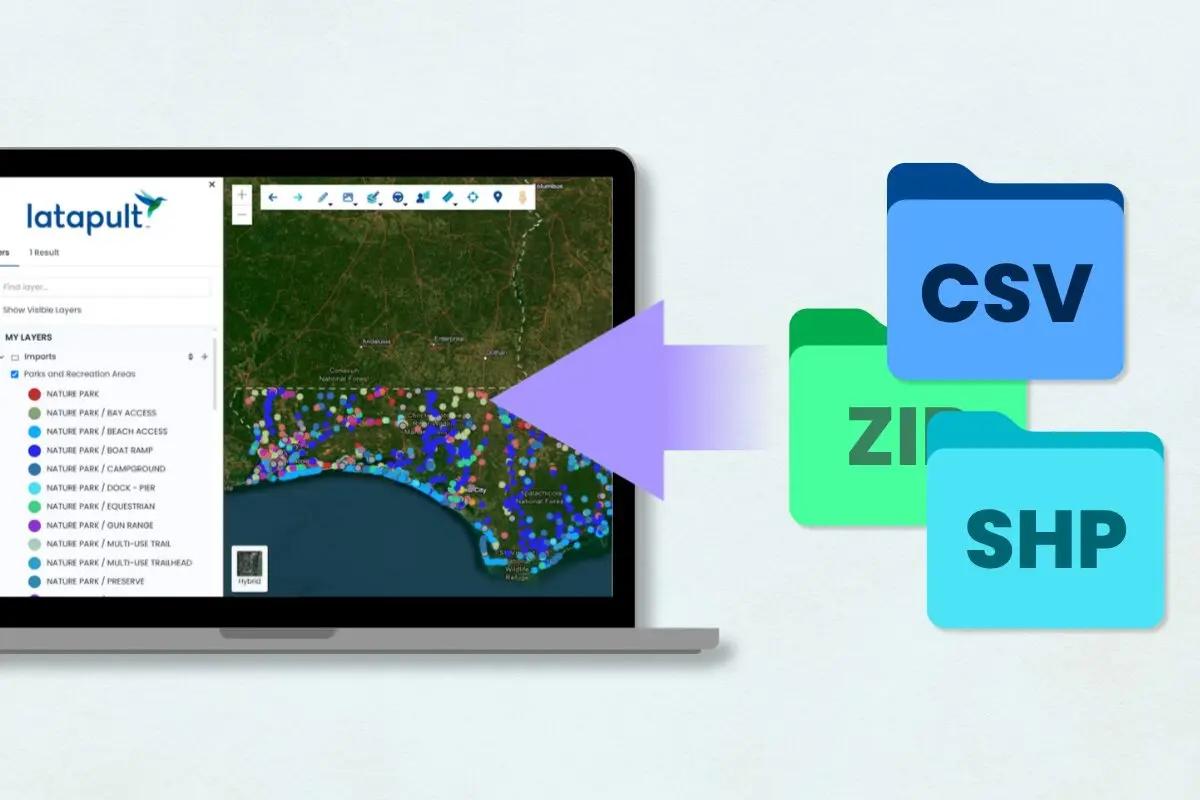
Bring deeper insight into your development due diligence. Latapult’s GIS platform helps development teams visualize planning priorities, infrastructure capacity, and site constraints in a single interface for smarter site selection and confident investment decisions. For teams with specialized needs, Latapult Custom provides a personalized data environment, including importing custom data layers, site plans, and boundaries.
Let’s chat about how you can uncover development opportunities earlier in the project lifecycle.